
Explore the conversation.
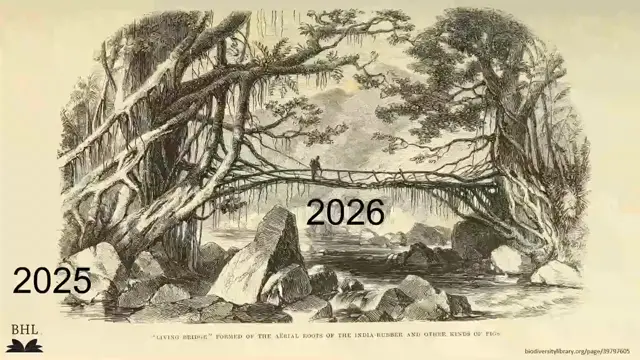
Building a New Foundation for the Biodiversity Heritage Library
BHL has survived losing its Smithsonian home by becoming an independent, globally governed consortium, but its future is still not secure and it needs community support.
Nicole Kearney ↗
Developing and implementing a relational mineral taxonomy model in EMu for Museums Victoria's mineral collection
Linking catalogue records to shared, Mindat-populated mineral taxonomy records makes mineral identification data consistent and queryable.
Oskar Lindenmayer ↗
Extending Specify 7 for geological collections (GeoSpecify)
GeoSpecify brings geology into the same Specify data model as biological collections, with purpose-built age, stratigraphy and composite-object features.
Theresa Miller ↗
X-raying wild plant seeds: preparing images for future AI-driven global biodiversity research
Adding scale and linking legacy seed X-rays to collection records turns an inaccessible archive into AI-ready research data.
Robert Turner ↗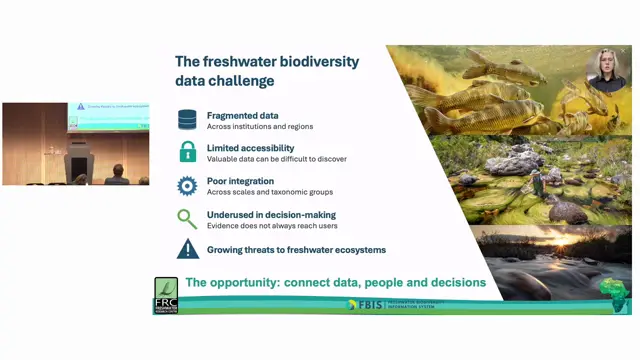
Biodiversity data at your fingertips: open-access freshwater biodiversity information systems for South Africa and Africa
Co-designed, open and interoperable freshwater information systems like FBIS turn fragmented records into decision-ready information, and multi-tenancy helps keep them sustainable.
Helen Dallas ↗
Collaborative Development of an Institution-Wide Controlled Vocabulary
A shared vocabulary across a large museum depends as much on familiar tools, trusted forums and ongoing governance as on the terms themselves.
Caitlin Thorn ↗
Confronting legacy data for primary type specimens
Decades of database migrations left the second-largest insect collection's type catalogue unreliable, and only a full physical inventory is fixing it.
Cailin Meyer ↗
Digitising Plant and Fungal Collections at Royal Botanic Gardens, Kew: Applying International Standards to Support Data Sharing and Geospatial Analysis
WGSRPD enables cross-collection geospatial analysis at Kew, but historical, heterogeneous data leave half of records without fine-level assignment.
Udayangani Liu ↗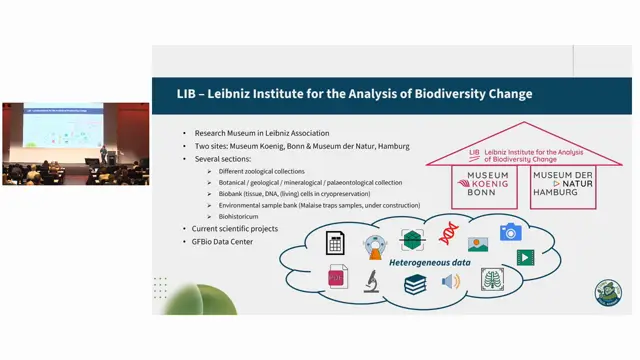
Diversity Workbench (DWB) as a Standards-Based Collection Management System for Heterogeneous Research Data and Biodiversity Data Mobilization
Diversity Workbench can hold very heterogeneous institutional data and publish it through standard pipelines, but its complexity pushes LIB to build web and API layers.
Birgit Rach ↗
From Client to App: Extending Diversity Workbench with REST and graphical web interfaces
A concept-based REST API and search index let LIB build flexible web interfaces and ingest data on top of the complex Diversity Workbench database.
Björn Quast ↗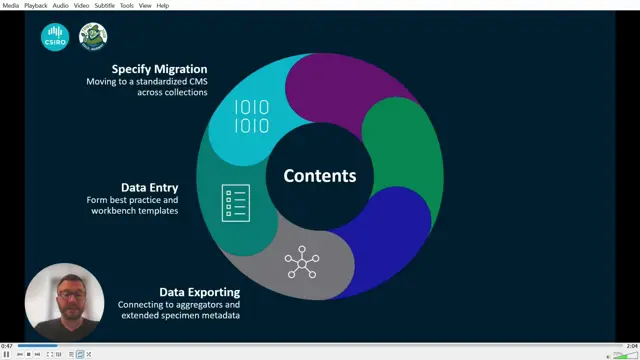
From Data Entry to Distribution: Streamlining Biodiversity Workflows with Specify at CSIRO
Layered standards in templates, roles and training let CSIRO keep five Specify instances consistent while each collection keeps its own outputs.
Dan Baker ↗
Integrating Specify in broader Science infrastructure
Specify works best at RBG Victoria as one component of a wider hub-based science infrastructure, with custom tools filling its gaps.
Niels Klazenga ↗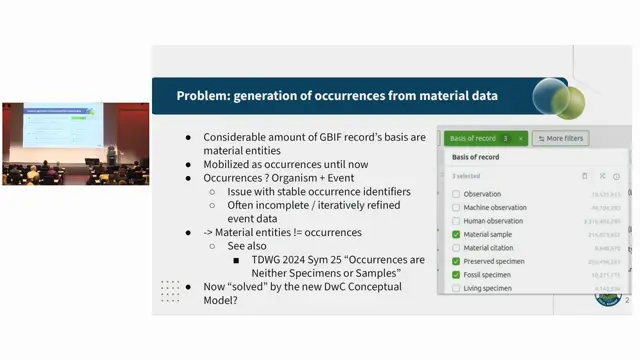
Material Samples and Occurrences in Darwin Core Data Packages: Practical Experiences from DINA
DINA's material-sample model maps well to DwC-DP, so DINA wants to publish without synthetic occurrences and needs community conventions for consumers to derive them.
Jonas Grieb ↗
Meeting Biodiversity Standards with Specify 7
Specify's new built-in Darwin Core mapping tool aims to make publishing from highly customised databases straightforward without giving up local flexibility.
Grant Fitzsimmons ↗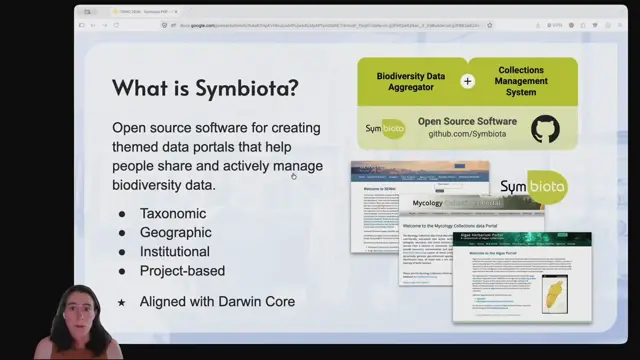
Mobilizing rich, interoperable, and secure fossil data from underserved collections using Symbiota
Targeted Symbiota enhancements around geological context, taxonomy and relationships make a low-barrier CMS viable for under-resourced fossil collections.
Erica Krimmel ↗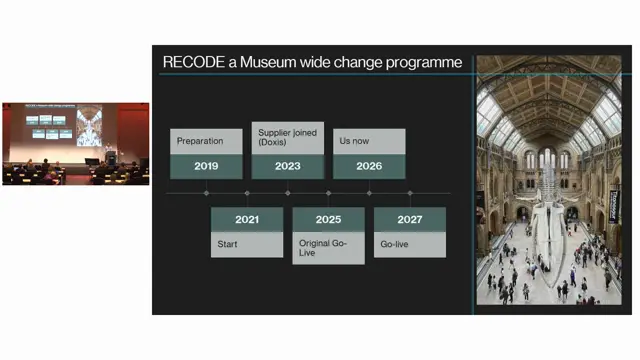
Old habits and new visions: Exploring the RECODE data model, future integration and data enhancement
Normalising decades of flat CMS data into relational entities and workflow-driven processes gives NHM a foundation for integrations and AI, but it needs institutional governance.
Steen Dupont ↗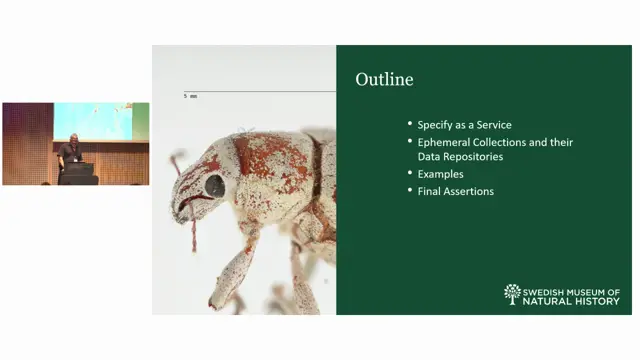
SpecifyaaS: Managing Ephemeral Repositories in Collections-Based Research
Giving researchers their own lightweight Specify instances early in the research process standardises data from the start and eases later exchange with the institutional collection.
Kevin Holston ↗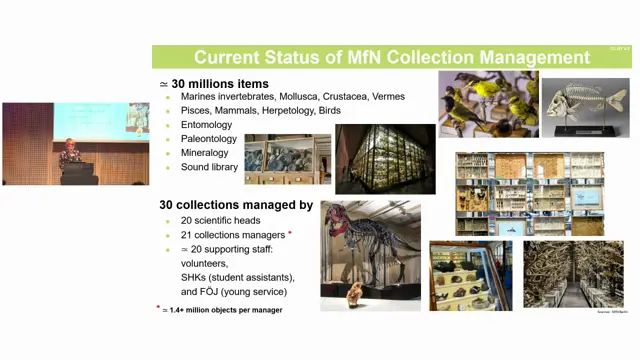
The Good, the Bad, and the Standardised: A Specify Journey Through 200 Years of the MfN Berlin's Biological Collections
Specify's flexibility lets MfN consolidate 30 historically complex collections into one database while starting to reconstruct colonial and wartime history, but geography and historical events remain unsolved.
Marion Depraetere ↗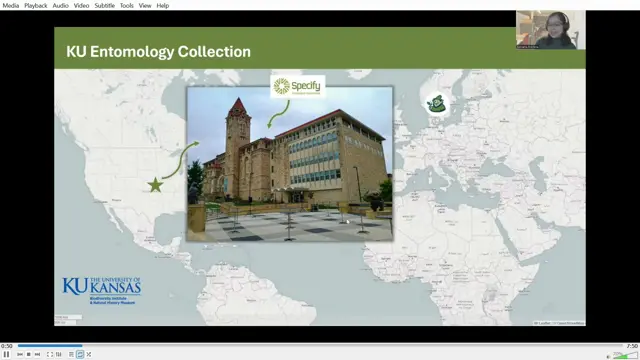
Updates on Data Mobilization in the KU Entomology Collection
Moving to Specify 7 with a nightly Darwin Core archive feed made KU Entomology's data and images continuously available to GBIF, Symbiota portals and students.
Samanta Orellana ↗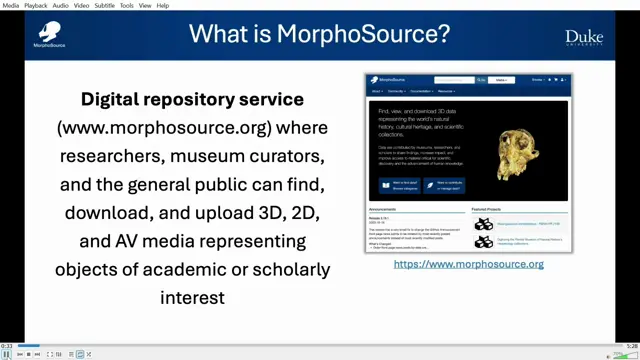
A Network That Is Social: A Community-Based Model and Plan for Sustaining MorphoSource, a Scholarly 3D Data Repository
MorphoSource will sustain open access to 3D data by charging museums, journals, societies and depositors, never downloaders, as NSF funding ends.
Julie Winchester ↗