
Explore the conversation.
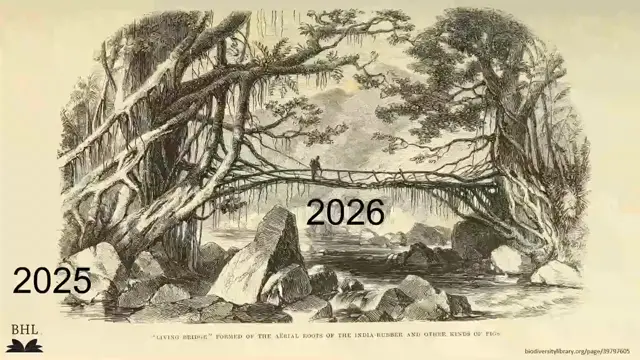
Building a New Foundation for the Biodiversity Heritage Library
BHL has survived losing its Smithsonian home by becoming an independent, globally governed consortium, but its future is still not secure and it needs community support.
Nicole Kearney ↗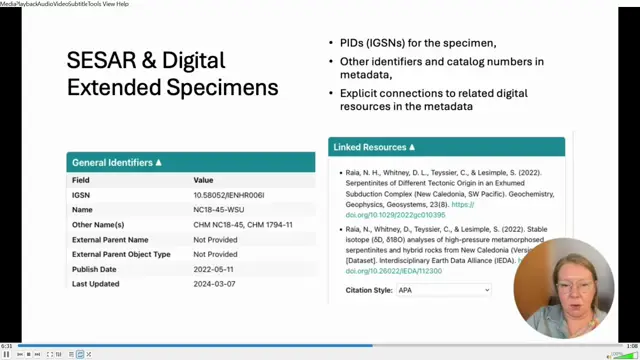
Bridging domains: how SESAR supports Earth and biodiversity digital extended specimens
Persistent sample identifiers plus linked metadata propagated to DataCite let samples be connected to their derived research products across Earth and biodiversity domains.
Andrea Thomer ↗
GBIF Rule Based Annotations
Simple, scoped negative-range rules let non-experts flag suspicious GBIF occurrences persistently, including future records.
John Waller ↗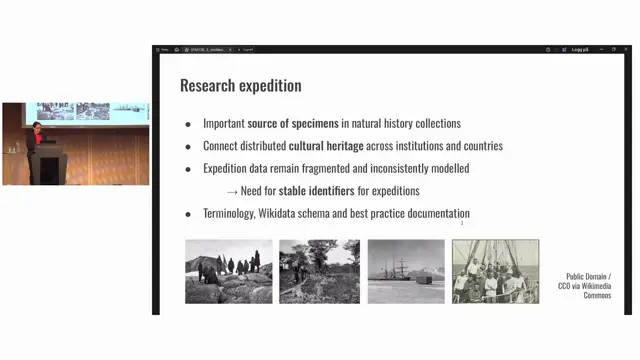
Here, There, and Everywhere: Modelling Research Expeditions in Wikidata
Treat research expeditions as first-class entities with Wikidata identifiers so distributed specimens, people, publications and archives can be linked.
Sabine von Mering ↗
Once and future Latimer Core: status update and open conversation
Latimer Core is being restructured as a data package with unique term IRIs, enabled by TDWG now accepting standards with formal structure.
Sharon Grant ↗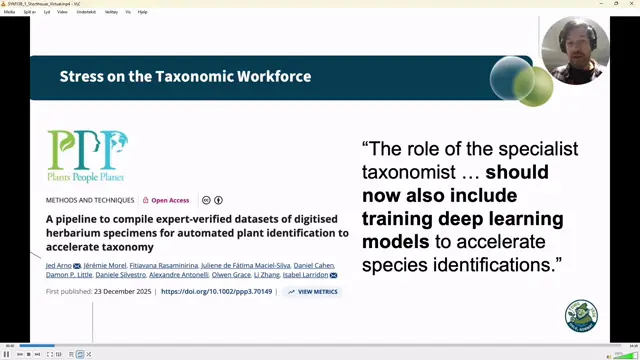
Open Digital Curation and Round-Tripping Biodiversity Data Enhancements Across Collection Infrastructures: Six Years and 50 Million Links in Bionomia
Round-tripping is much harder than expected, and data managers must fully populate identifiedBy so taxonomists' expertise is credited.
David Shorthouse ↗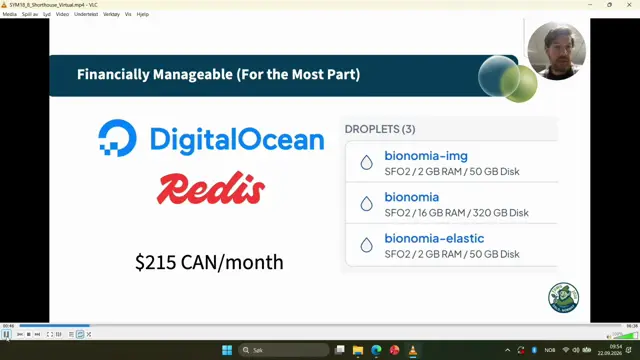
Resilient Attribution Infrastructures for Biodiversity Science: Archiving and Risk Mitigation in Bionomia
Small niche infrastructures can be resilient by planning for their own end: keep things simple and push versioned data and reusable code outward.
David Shorthouse ↗
SYM08B discussion: extracting geography and articles from BHL
Article-level discoverability and geographic extraction are key BHL gaps that AI may now make tractable, but resourcing remains the constraint.
Nicole Kearney, Roderic Page ↗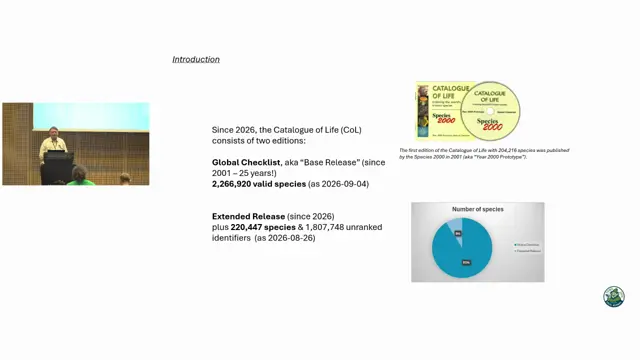
The United States contribution to the global taxonomy of the Catalogue of Life in the first quarter of the 21st century
US experts and platforms supply over a third of the Catalogue of Life, and the next step is an identifier-based infrastructure passing unchanged IDs between databases.
Yury Roskov ↗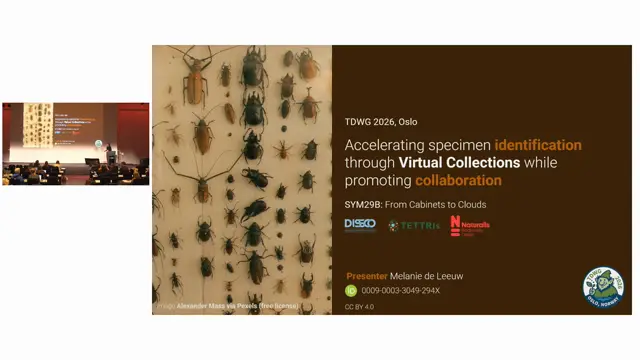
Accelerating specimen identification through Virtual Collections while promoting collaboration
Virtual reference collections with DOIs let experts identify and curate dispersed digital specimens remotely instead of shipping material or travelling.
Melanie de Leeuw ↗
Applying Data Standards at the Royal Botanic Garden Edinburgh
Identifiers are how RBGE is standardising legacy herbarium data and reconnecting items spread across four separate collection management systems.
Robyn Drinkwater ↗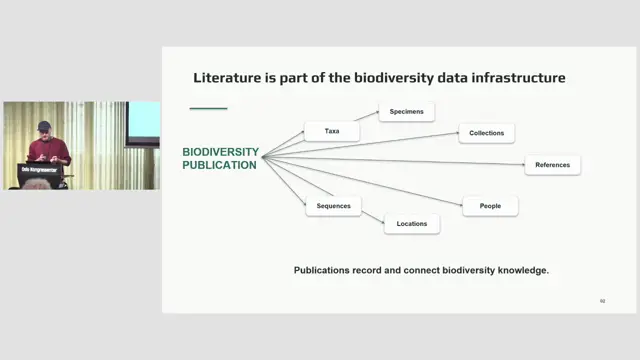
Biodiversity literature as FAIR and AI-ready data by design (and how to get there)
Don't just liberate biodiversity literature, publish it liberated.
Chris Le Coquet ↗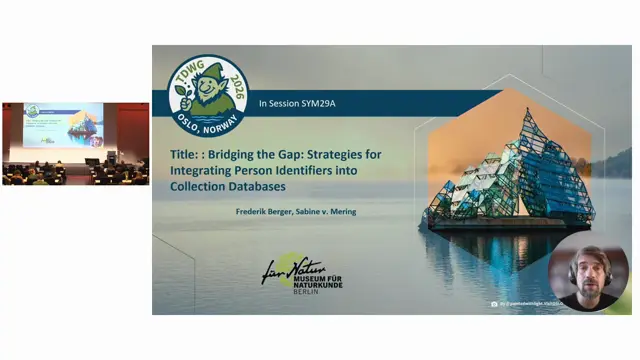
Bridging the Gap: Strategies for Integrating Person Identifiers into Collection Databases
Wikidata's community-built person data can be used to pre-structure candidate matches, but expert judgement and institutional priorities remain essential for identifying collectors.
Frederik Berger ↗
Drawers in the dark harboring data that could spark - finding the sweet spot in collection digitization and mobilizing metadata from museum's collections
Plan digitisation for the easy 95%, capture a minimal dataset, and decide when good enough beats perfection.
Nora Lentge-Maaß ↗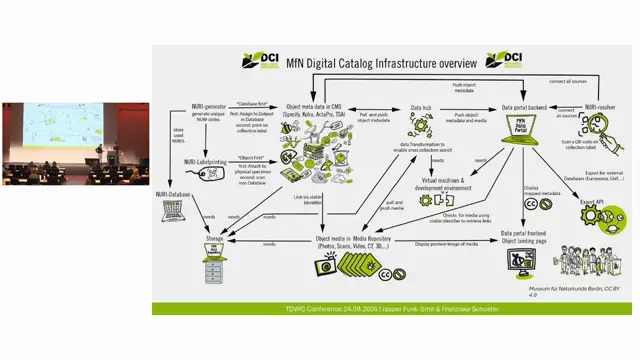
Everything is coded: How to prevent a game of telephone in a system full of interfaces
Shared understanding of what data means must be established at the start of a pipeline; standard formats alone won't stop meaning drifting between people.
Franziska Schuster, Jasper ↗
From Sensor to Species: AI-Assisted Segmentation, Deep Learning Workflows, and Persistent Biodiversity Records from Earth Observation Systems
Persistent organism identifiers for remotely sensed individual trees could turn repeat Earth-observation imagery into longitudinal biodiversity records, but only if uncertainty and model provenance travel with every record.
Kit Lewers ↗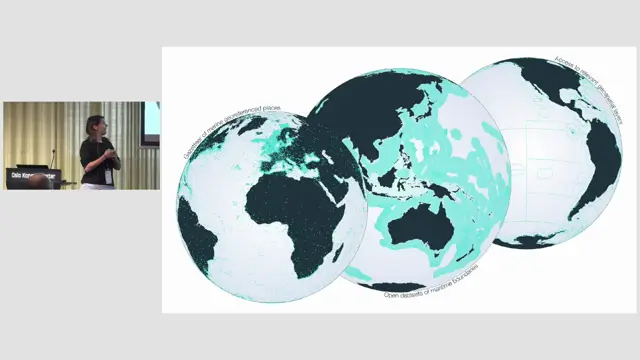
Marine Regions as a backbone for the TDWG Marine GeoScheme
Marine Regions supplies the identifiers, boundaries and hierarchy that make a marine geoscheme maintainable.
Britt Lonneville ↗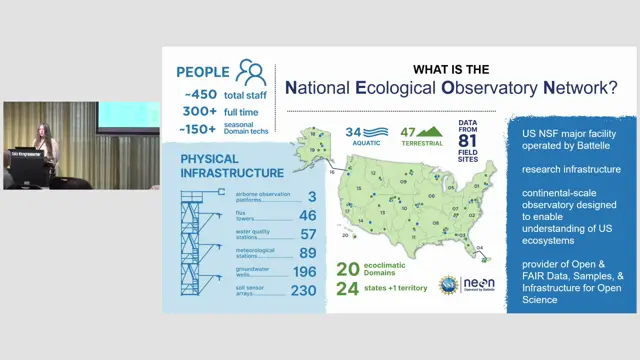
NEON, Community Standards, and the Hyper-Extended Specimen
NEON was built for interoperability from the start, but sustaining standards, crosswalks and value-added links needs community-level solutions.
Chandra Earl ↗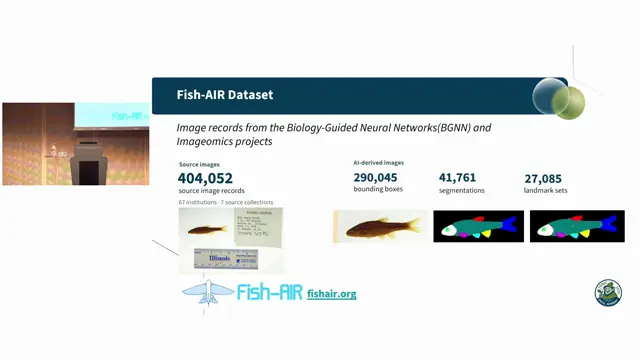
Provenance, Lineage, and Auditability in AI-Driven Biodiversity Image Workflows
Two persistent-identifier links per derived image, parent and batch, are enough to preserve auditable lineage and pipeline context for AI-processed biodiversity images, even outside the repository.
Xiaojun Wang ↗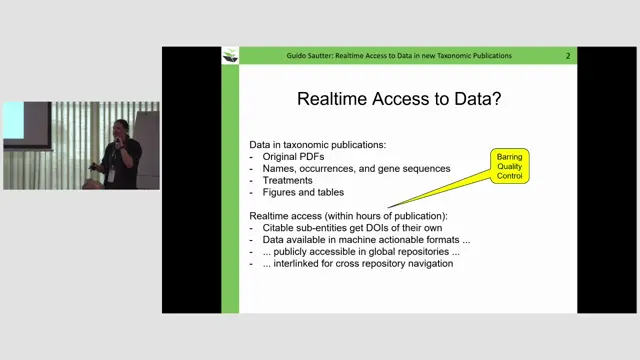
Realtime Access to Data in new Taxonomic Publications
Plazi can deliver interlinked, machine-actionable data from new taxonomic papers within hours, and XML-first publishing removes most of the costly effort.
Guido Sautter ↗
SYM42 discussion: DwC-DP profiles, deriving occurrences, ABCD's future and system boundaries
Richer relational models bring the community together but raise hard governance questions about profiles, occurrence derivation, system scope and link persistence.
James A. Macklin, Jonas Grieb, John Wieczorek ↗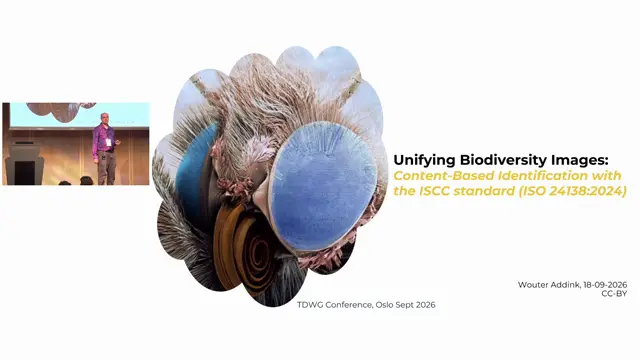
Unifying Biodiversity Images: Content-Based Identification with the ISCC standard (ISO 24138:2024)
ISCC gives images a content-derived, similarity-comparable identifier that anyone can recompute, addressing duplication, broken links and AI-generated fakes.
Wouter Addink ↗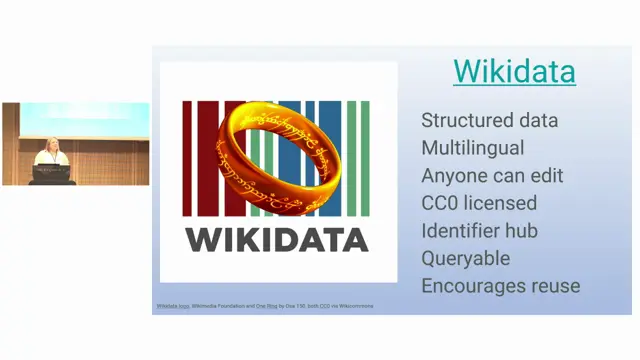
Bionomia, Scholia, Wikidata and Zenodo: broadcasting biodiversity data contributions
Linking people, specimens, publications, datasets and collections through Wikidata and associated tools (Bionomia, Scholia, Expeditia, Zenodo) makes biodiversity contributions findable and creditable.
Siobhan Leachman ↗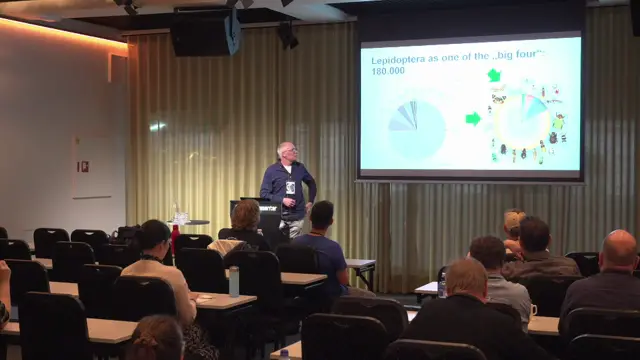
From Standardized Field Methods to AI-Ready Knowledge: The LEPMON Project with the LAUP Infrastructure Stack for Automated Moth Monitoring
LEPMON's LAUP portal shows an end-to-end infrastructure for camera-based moth monitoring that builds Camtrap DP into routine data management, making millions of observations downloadable and analysable.
Peter Grobe ↗