
Explore the conversation.
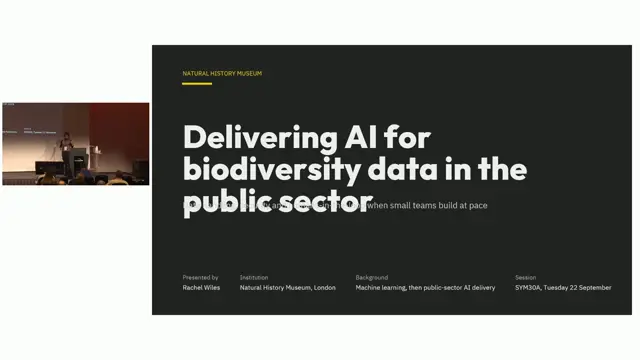
Delivering AI for biodiversity data in the public sector: data handling, security and humans-in-the-loop when small teams build at pace
Small public-sector teams can use AI tools productively if they set clear boundaries between prototype, dev, test and production and keep expert humans in the loop.
Rachel Wiles ↗
Digitising heritage for science: the Medical Entomology Museum as a platform for entomological biodiversity research and vector-borne disease surveillance
Digitised historical mosquito vouchers become reusable evidence that gives context to current vector surveillance.
Eunice Jamesboy ↗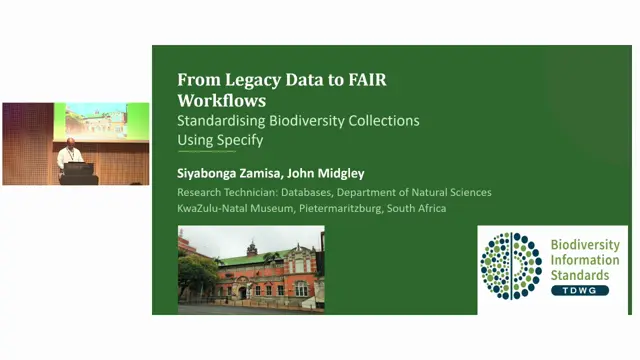
From Legacy Data to FAIR Workflows: Standardising Biodiversity Collections Using Specify
Standardised workflows, not just a new database, turned 11 differently managed collections into GBIF-ready data.
Siyabonga Zamisa ↗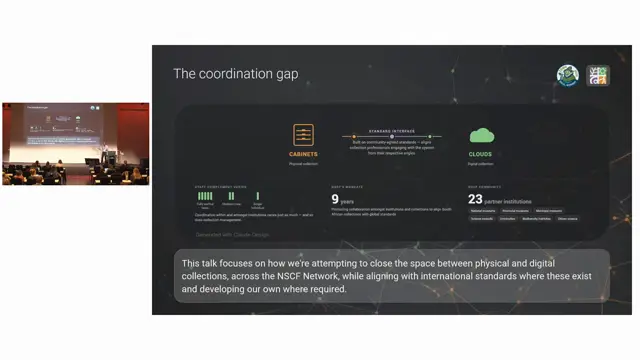
From Silos to Standards - Advancing Standardised Collection State Documentation for Institutional Continuity and Coordination
Standardising how collection state (readiness, risk, conditions) is recorded turns tacit curatorial knowledge into shared, comparable institutional memory.
Jacobus Christiaan Steenkamp ↗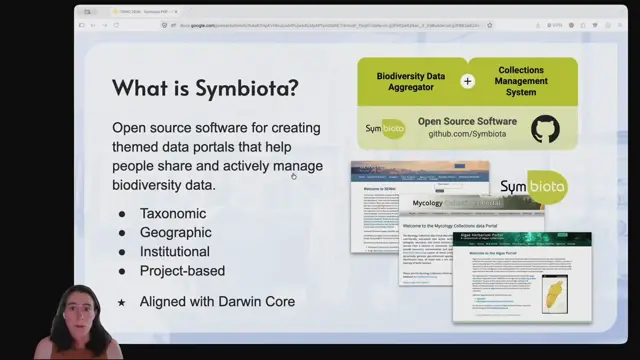
Mobilizing rich, interoperable, and secure fossil data from underserved collections using Symbiota
Targeted Symbiota enhancements around geological context, taxonomy and relationships make a low-barrier CMS viable for under-resourced fossil collections.
Erica Krimmel ↗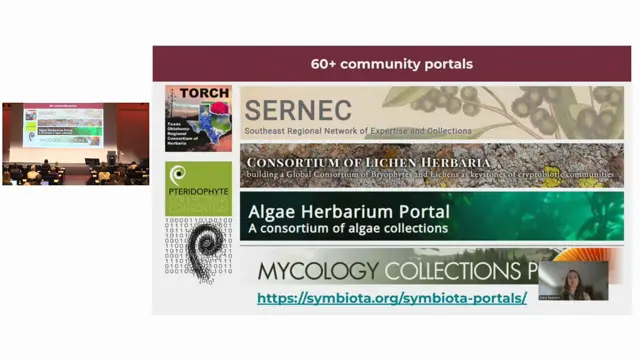
Sharing Extended Specimen Data from Symbiota Portals using Registered Extensions
Existing registered Darwin Core extensions met each of Symbiota's extended-specimen needs, so look for existing standards before inventing new ones.
Katie Pearson ↗