
Supporting resilient data infrastructure in a changing environment
Rachael Blake · Building resilient data infrastructures for biodiversity science
The short versionTechnical copies are not enough: durable data infrastructure depends on preserved human expertise, messy maintenance work and data standardized close to collection.
What this was about
Rachael Blake reviews how sudden US funding and personnel changes in 2025 exposed fragile environmental data systems, with examples such as EJSCREEN, the NOAA Billion-Dollar Weather and Climate Disasters database and Columbia's SEDAC being lost or rehosted. She describes how panic copying without metadata or context fragmented data, while informed rescuers rebuilt datasets on Zenodo, domain repositories or bespoke hosting (e.g. EPA Risk Management Plan data via Datasette). She then surveys efforts toward long-term resilient systems and argues for investing in human infrastructure, interoperability, federated networks and purpose-driven data products.
Why it matters. It distils lessons from the 2025 US data-rescue wave that biodiversity infrastructures can apply before a crisis hits.
In the room
- In early 2025 the US community risked losing entire archives and repositories; patched fragile systems broke when funding and staff changed.
- Examples: EJSCREEN (now hosted by Public Environmental Data Partners), the Billion-Dollar Weather and Climate Disasters database (now at Climate Central), SEDAC (shut down; data archived at NASA and Harvard Dataverse).
- Panic copying without context or metadata fragmented data and did not support long-term interoperability or reuse.
- Short-term recovery used domain and generalist repositories (much went to Zenodo) and bespoke architectures; EPA RMP data served via Datasette as SQLite.
- Longer-term efforts: repository crisis scorecards, Climate Reserve at the Aspen Global Change Institute supporting former federal staff, the Council of Data Facilities on replication.
- Coalitions: Coalition for Resilient Research Data Infrastructure, AGU Global Data Convening, Semantic Commons for Climate, Nature and Economy, World Ocean Database resilience effort.
- Training the next generation of data stewards (e.g. an ocean data stewardship programme launched this year).
Notable moments
Transcript
Automatically generated captions can contain mistakes, especially in names and technical terms. Times are relative to the room recording.
Read the transcript ↓
Related talks.
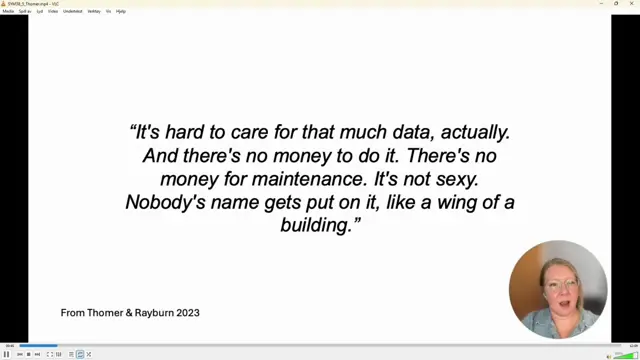
From preservation to perseverance: bridging disciplines for data resilience
Data resilience in a crisis is about prioritisation and mutual aid rather than perfection, and infrastructures need to be kept appropriately visible to be funded.
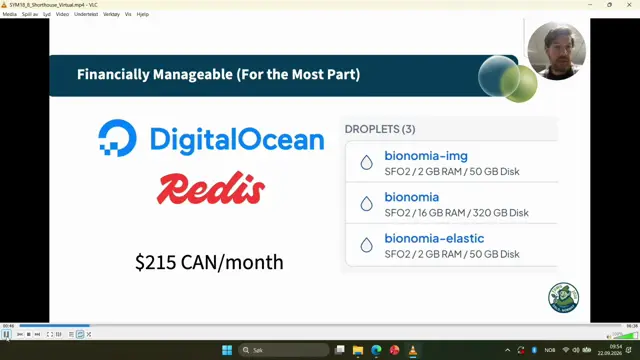
Resilient Attribution Infrastructures for Biodiversity Science: Archiving and Risk Mitigation in Bionomia
Small niche infrastructures can be resilient by planning for their own end: keep things simple and push versioned data and reusable code outward.
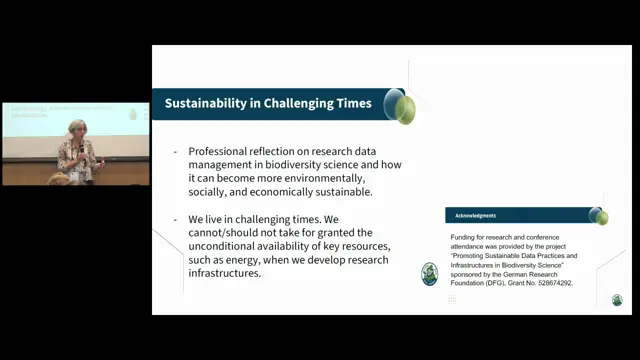
Adopting Environmental Sustainability as a Strategy to Build Resilient Data Infrastructures in Biodiversity Science
Building frugal, environmentally sustainable data infrastructures is a practical risk-management strategy for resilience.