
Explore the conversation.
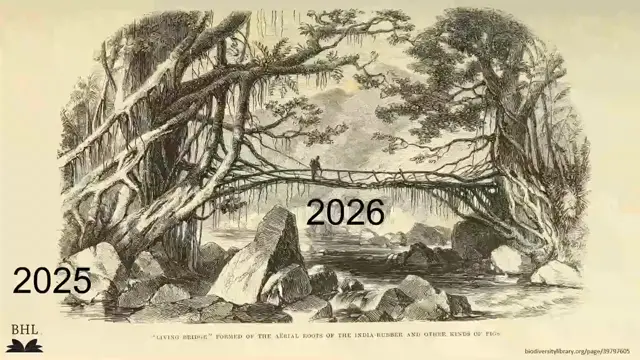
Building a New Foundation for the Biodiversity Heritage Library
BHL has survived losing its Smithsonian home by becoming an independent, globally governed consortium, but its future is still not secure and it needs community support.
Nicole Kearney ↗
AI-assisted digitisation of printed identification keys: from book to structured data in minutes
An agentic LLM pipeline can turn printed keys and descriptions into a structured draft identification key for tens of dollars, shifting experts from transcribers to reviewers.
Wouter Koch ↗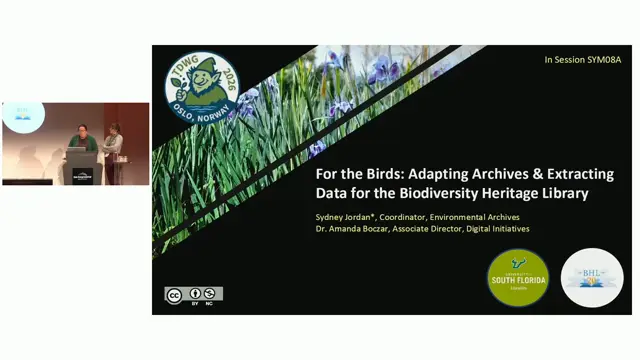
For the Birds: Adapting Archives and Extracting Data for the Biodiversity Heritage Library
USF is strengthening BHL's infrastructure via a redundant Macaw ingest instance while working to bring vulnerable Florida environmental archives and their data into BHL.
Amanda Boczar, Sydney Jordan ↗
Future interfaces for BHL
Modern AI tools make new BHL interfaces feasible now (better OCR, image and map search, chatbots); the community must decide which are worth building.
Roderic Page ↗
Introduction: Reimagining BHL
BHL at 20 has a new independent foundation but an unsecured future, and the symposium seeks ideas to shape what comes next.
Nicole Kearney ↗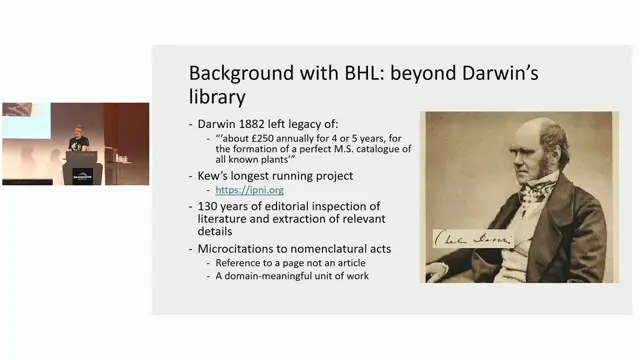
Possibilities to enhance the semantic navigation of BHL: further developing the 'unit of work'
Letting user communities carve BHL into branded, pre-filtered 'hosted portals' could serve diverse needs, satisfy funders and drive innovation.
Nicky Nicolson ↗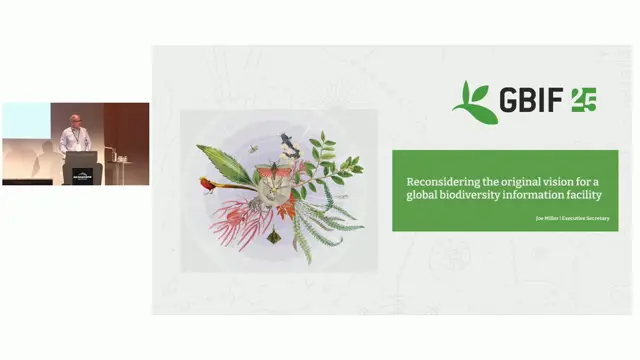
Reconsidering the original vision for a global biodiversity information facility
GBIF achieved its 1999 vision only partially and through a network of collaborating infrastructures; the community must decide whether that is enough and articulate the next vision.
Joe Miller ↗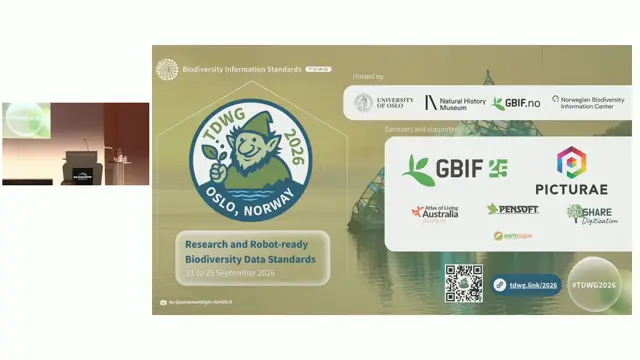
SYM08B discussion: extracting geography and articles from BHL
Article-level discoverability and geographic extraction are key BHL gaps that AI may now make tractable, but resourcing remains the constraint.
Nicole Kearney, Roderic Page ↗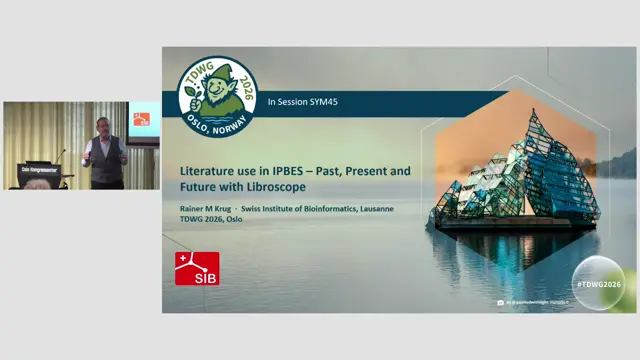
Literature usage in IPBES - Past, Present and Future with Libroscope
Open, scripted literature search via OpenAlex transformed IPBES practice, and the Libroscope could close remaining gaps by making paper contents and grey literature searchable.
Rainer M Krug ↗