
Explore the conversation.
Developing and implementing a relational mineral taxonomy model in EMu for Museums Victoria's mineral collection
Linking catalogue records to shared, Mindat-populated mineral taxonomy records makes mineral identification data consistent and queryable.
Oskar Lindenmayer ↗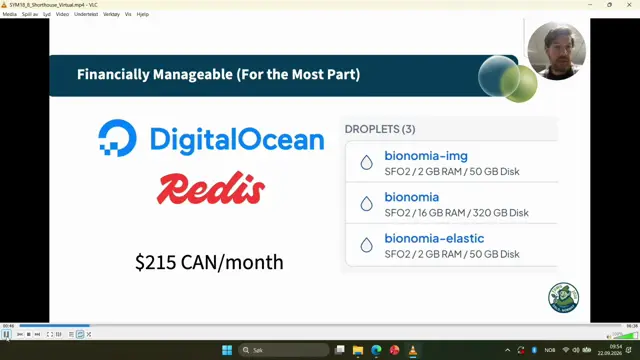
Resilient Attribution Infrastructures for Biodiversity Science: Archiving and Risk Mitigation in Bionomia
Small niche infrastructures can be resilient by planning for their own end: keep things simple and push versioned data and reusable code outward.
David Shorthouse ↗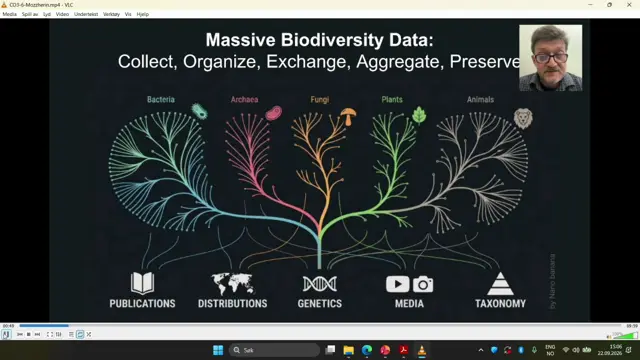
SFBorg: a frictionless biodiversity data exchange
Using an SQLite schema as the exchange format lets biodiversity datasets be used instantly by applications without import.
Dmitry Mozzherin ↗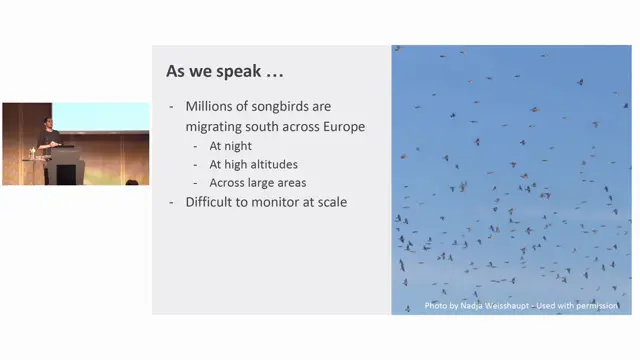
How to operationalize large-scale aerial biodiversity monitoring?
Existing weather radar networks already monitor bird migration continent-wide; with open standards and the Aloft archive, they could underpin a European migration-forecasting digital twin.
Peter Desmet ↗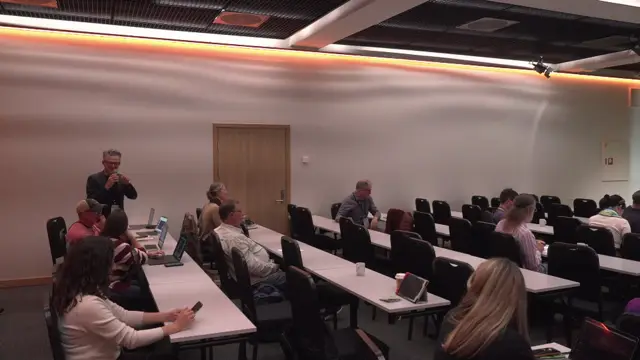
Symposium discussion: funding models, open data and sustaining biodiversity infrastructure
The community broadly agreed that core data should stay open, but that products, services, credits, regulation and partnerships must become part of sustaining the infrastructure.
Libby Ellwood, James Macklin, André Zerger ↗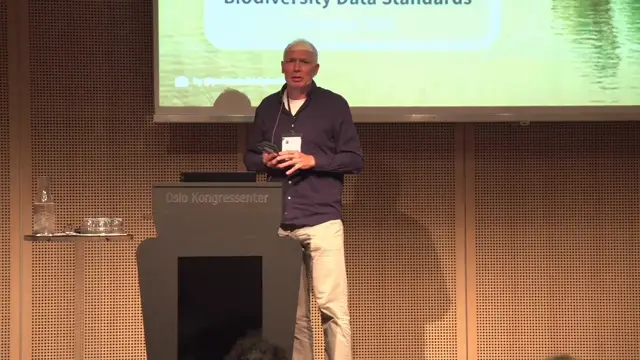
Discussion: designing institutional biodiversity knowledge and data science centres
Interoperable institutional knowledge spaces depend less on technology than on people, shared storage and semantics, incentives and governance.
Unidentified session chair, Lars Vogt, Tarek Al Mustafa ↗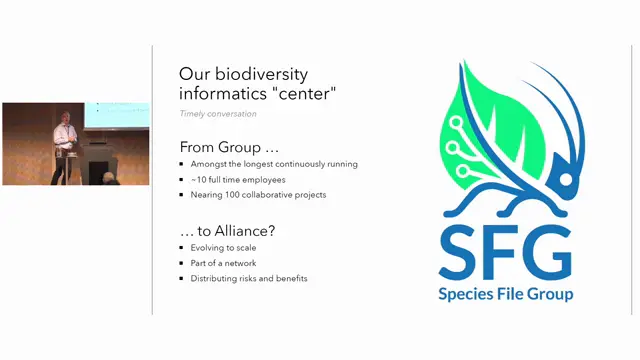
What is the Role of "AI" in the Centers for Biodiversity Informatics of the Future?
Biodiversity informatics centres are about people. AI raises the importance of standards, storage, openness and distributed risk, and centres should fuel researchers' curiosity rather than be driven by the technology.
Matthew Yoder ↗