
Building digital-native species: Transitioning from PDF liberation to semantic-by-design publishing
Laurence · Planning the Libroscope: creating research ready biodiversity from scientific publications
The short versionKeeping data linked and structured from specimen to publication yields FAIR, trusted data on the day of publication.
What this was about
Laurence presented the 'digital-native species' workflow, noting that it takes on average 21 years from specimen collection to publication and that current practice erases structured data into PDFs only to re-extract it later. In the new model, bulk samples become a biodiversity knowledge graph linking specimens with barcodes, images and genomic data, exported as JSON to Zenodo and carried through an XML-based, semantically enhanced manuscript and peer review to multi-format publication with bidirectional links. She also showed dashboards monitoring institutions and journals, arguing that measuring a journal's FAIRness matters more than impact factor, given that taxonomic references average around 50 years old.
Why it matters. It proposes a way to shorten the long description lag and to produce certified data that can reduce AI hallucination.
In the room
- On average it takes 21 years from collecting a specimen to publishing about it.
- The old model erases data into PDFs, which then must be rescued with conversion errors.
- Digital-native species link physical specimens to digital specimens, DNA barcodes, images and genomic data from the outset, exported as JSON to Zenodo.
- An XML-based manuscript retains semantic links and identifiers through editing and peer review.
- XML-first yields FAIR-born, trusted data at the day of publication with bidirectional links.
- Dashboards (institution, GBIF hosted portal for journals, TreatmentBank) monitor impact and journal FAIRness.
- The average age of references in taxonomy is about 50 years, making 2- or 5-year impact factors irrelevant.
Notable moments
Transcript
Automatically generated captions can contain mistakes, especially in names and technical terms. Times are relative to the room recording.
Read the transcript ↓
Related talks.
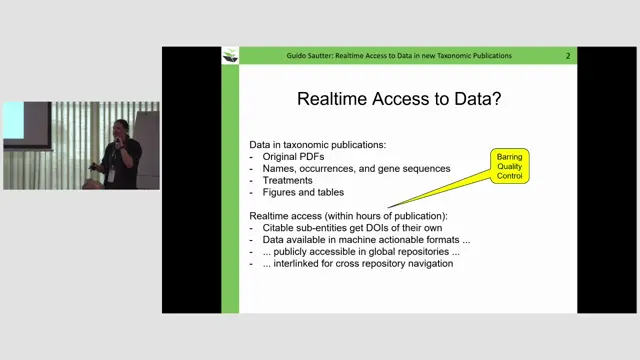
Realtime Access to Data in new Taxonomic Publications
Plazi can deliver interlinked, machine-actionable data from new taxonomic papers within hours, and XML-first publishing removes most of the costly effort.
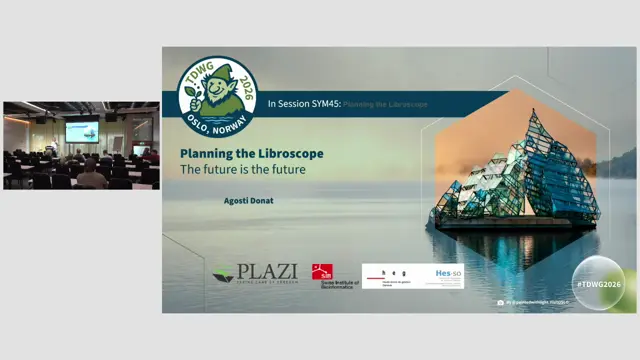
The future is the future - thought about access to data in publications
Liberating data from literature works, but the future lies in use-case-driven, digital-first publishing that also targets the undescribed majority of species.
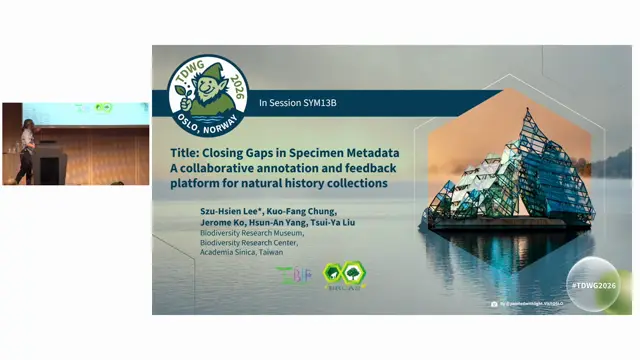
Closing Gaps in Specimen Metadata: A Collaborative Annotation and Feedback Platform for Natural History Collections
A national collaborative annotation platform with AI-assisted transcription can close metadata gaps across many Taiwanese collections.