
Explore the conversation.
Experience of collaborative management of the World Auchenorrhyncha Database in TaxonWorks
TaxonWorks turned a personal taxonomic database into a collaborative, well-connected resource feeding Catalogue of Life, GBIF and iNaturalist.
Dmitry Dmitriev ↗
GBIF Rule Based Annotations
Simple, scoped negative-range rules let non-experts flag suspicious GBIF occurrences persistently, including future records.
John Waller ↗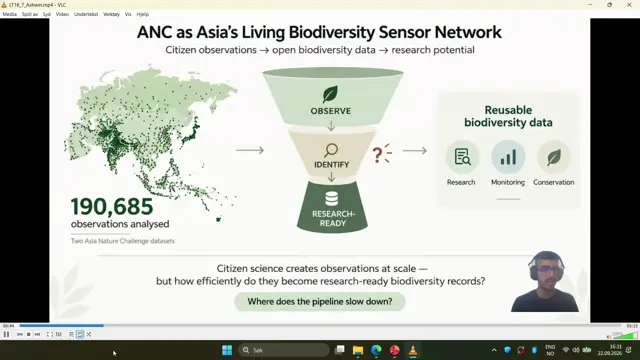
The Asian Nature Challenge as a Beacon of Citizen Science: Regional Contributions, Macroecological Data Networks, and Strategies for Optimizing Taxonomic Identification Efficiency in India
More observations do not mean more usable data; identification capacity is the bottleneck for India's citizen science.
Ashwin A ↗
Accelerating specimen identification through Virtual Collections while promoting collaboration
Virtual reference collections with DOIs let experts identify and curate dispersed digital specimens remotely instead of shipping material or travelling.
Melanie de Leeuw ↗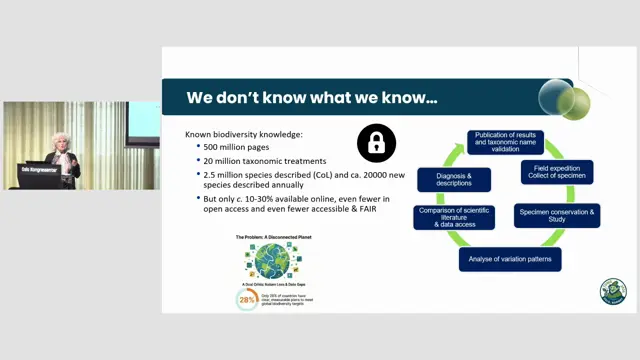
Building digital-native species: Transitioning from PDF liberation to semantic-by-design publishing
Keeping data linked and structured from specimen to publication yields FAIR, trusted data on the day of publication.
Laurence ↗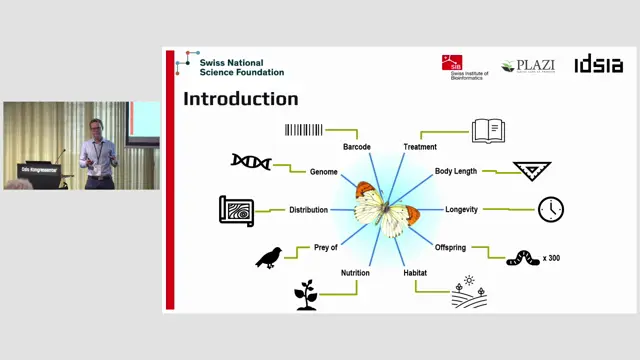
Species trait literature mining to support integrative biodiversity distribution modelling
Demonstrating research use cases like trait-informed distribution modelling is key to persuading funders to support literature mobilisation infrastructure.
Robert Waterhouse ↗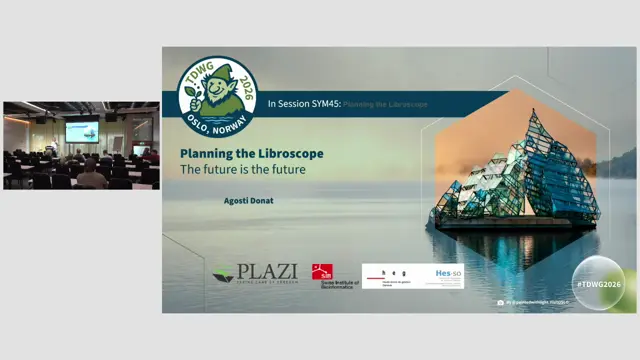
The future is the future - thought about access to data in publications
Liberating data from literature works, but the future lies in use-case-driven, digital-first publishing that also targets the undescribed majority of species.
Donat Agosti ↗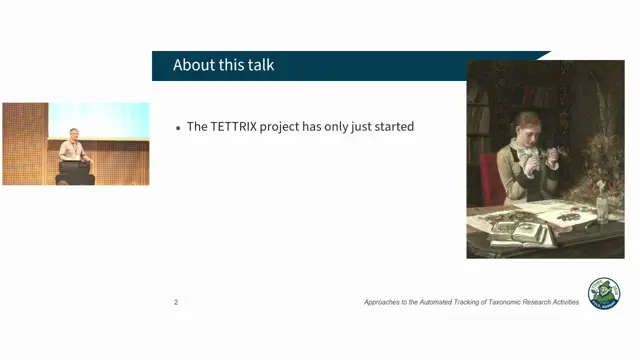
Approaches to the Automated Tracking of Taxonomic Research Activities
TETTRIX aims to build a machine-run, regularly updated picture of who is doing taxonomy on what and where, and is asking the community which sources it is missing.
David Fichtmueller ↗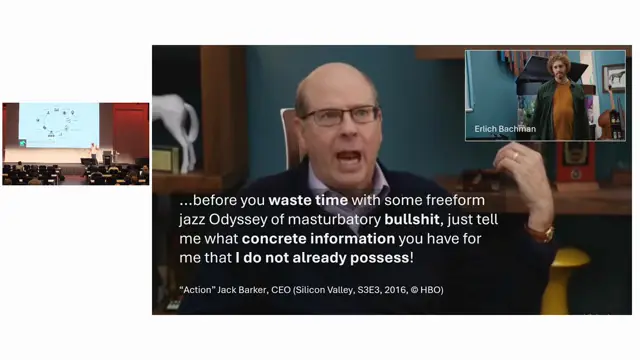
Curation through citation: using AI and a knowledge graph to curate DNA barcodes
Linking barcodes, specimens and literature in a knowledge graph could fix many BOLD records, if we can reliably extract the connecting codes from papers.
Roderic Page ↗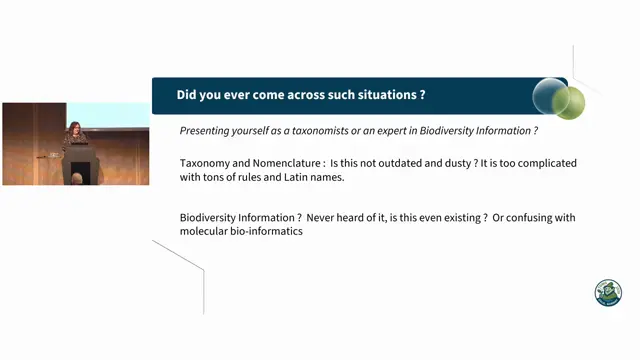
Strengthening Taxonomic capacity and Biodiversity Information in Education
Taxonomy and biodiversity informatics need to be visible, modern parts of curricula, and TDWG should revive its curriculum interest group to secure training and knowledge transfer.
Patricia Mergen ↗
Structured identification keys complementing AI: closing the corpus bottleneck with AI-assisted digitisation
AI and identification keys are complementary, and LLM-assisted digitisation of printed literature now makes it feasible to build structured keys at scale for expert review.
Wouter Koch ↗